.png)

A arte ancestral aos seus pés …
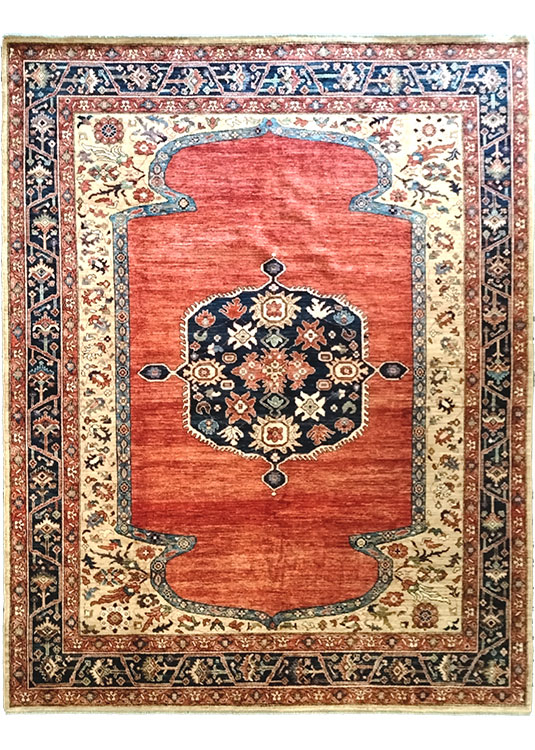
O autêntico tapete persa Seneh (Referência: 177671) representa o auge da delicadeza e do rigor técnico na tapeçaria oriental de luxo, disponível em exclusivo na Tricana.
Tecidos com uma maestria inigualável na região do Curdistão persa, os tapetes de Seneh são mundialmente aclamados pelo refinamento microscópico dos seus nós e pela textura fina e elegante do seu pelo, assemelhando-se a uma autêntica tela artística.
O modelo Seneh-177671 destaca-se pela repetição rítmica e minuciosa dos seus padrões clássicos tradicionais, criando uma harmonia visual discreta e sofisticada que enriquece o espaço sem o sobrecarregar.
É a escolha ideal para arquitetos e decoradores que procuram uma peça com forte identidade cultural e elegância intemporal, perfeita para conferir distinção a salas de estar, gabinetes executivos de prestígio ou bibliotecas nobres.
A arte ancestral aos seus pés …
O autêntico tapete persa Seneh (Referência: 177671) representa o auge da delicadeza e do rigor técnico na tapeçaria oriental de luxo, disponível em exclusivo na Tricana.
Tecidos com uma maestria inigualável na região do Curdistão persa, os tapetes de Seneh são mundialmente aclamados pelo refinamento microscópico dos seus nós e pela textura fina e elegante do seu pelo, assemelhando-se a uma autêntica tela artística.
O modelo Seneh-177671 destaca-se pela repetição rítmica e minuciosa dos seus padrões clássicos tradicionais, criando uma harmonia visual discreta e sofisticada que enriquece o espaço sem o sobrecarregar.
É a escolha ideal para arquitetos e decoradores que procuram uma peça com forte identidade cultural e elegância intemporal, perfeita para conferir distinção a salas de estar, gabinetes executivos de prestígio ou bibliotecas nobres.
A arte ancestral aos seus pés …
O autêntico tapete persa Seneh (Referência: 177671) representa o auge da delicadeza e do rigor técnico na tapeçaria oriental de luxo, disponível em exclusivo na Tricana.
Tecidos com uma maestria inigualável na região do Curdistão persa, os tapetes de Seneh são mundialmente aclamados pelo refinamento microscópico dos seus nós e pela textura fina e elegante do seu pelo, assemelhando-se a uma autêntica tela artística.
O modelo Seneh-177671 destaca-se pela repetição rítmica e minuciosa dos seus padrões clássicos tradicionais, criando uma harmonia visual discreta e sofisticada que enriquece o espaço sem o sobrecarregar.
É a escolha ideal para arquitetos e decoradores que procuram uma peça com forte identidade cultural e elegância intemporal, perfeita para conferir distinção a salas de estar, gabinetes executivos de prestígio ou bibliotecas nobres.
The rich text element allows you to create and format headings, paragraphs, blockquotes, images, and video all in one place instead of having to add and format them individually. Just double-click and easily create content.
The rich text element allows you to create and format headings, paragraphs, blockquotes, images, and video all in one place instead of having to add and format them individually. Just double-click and easily create content.A rich text element can be used with static or dynamic content. For static content, just drop it into any page and begin editing. For dynamic content, add a rich text field to any collection and then connect a rich text element to that field in the settings panel. Voila!
A rich text element can be used with static or dynamic content. For static content, just drop it into any page and begin editing. For dynamic content, add a rich text field to any collection and then connect a rich text element to that field in the settings panel. Voila!Headings, paragraphs, blockquotes, figures, images, and figure captions can all be styled after a class is added to the rich text element using the "When inside of" nested selector system.
Headings, paragraphs, blockquotes, figures, images, and figure captions can all be styled after a class is added to the rich text element using the "When inside of" nested selector system.The rich text element allows you to create and format headings, paragraphs, blockquotes, images, and video all in one place instead of having to add and format them individually. Just double-click and easily create content.
The rich text element allows you to create and format headings, paragraphs, blockquotes, images, and video all in one place instead of having to add and format them individually. Just double-click and easily create content.A rich text element can be used with static or dynamic content. For static content, just drop it into any page and begin editing. For dynamic content, add a rich text field to any collection and then connect a rich text element to that field in the settings panel. Voila!
A rich text element can be used with static or dynamic content. For static content, just drop it into any page and begin editing. For dynamic content, add a rich text field to any collection and then connect a rich text element to that field in the settings panel. Voila!Headings, paragraphs, blockquotes, figures, images, and figure captions can all be styled after a class is added to the rich text element using the "When inside of" nested selector system.
Headings, paragraphs, blockquotes, figures, images, and figure captions can all be styled after a class is added to the rich text element using the "When inside of" nested selector system.

The ancestral art at your feet ...
The authentic Seneh Persian rug (Reference: 177671) represents the pinnacle of delicacy and technical rigor in luxury oriental tapestry, available exclusively at Tricana.
Woven with unparalleled mastery in the Persian Kurdistan region, Seneh rugs are acclaimed worldwide for the microscopic refinement of their knots and the fine, elegant texture of their pile, reminiscent of an authentic artistic canvas.
The Seneh-177671 model stands out for the rhythmic and meticulous repetition of its traditional classic patterns, creating a discreet and sophisticated visual harmony that enriches the space without overwhelming it.
It is the ideal choice for architects and decorators seeking a piece with a strong cultural identity and timeless elegance, perfect for adding distinction to living rooms, prestigious executive offices, or noble libraries.
The ancestral art at your feet ...
The authentic Seneh Persian rug (Reference: 177671) represents the pinnacle of delicacy and technical rigor in luxury oriental tapestry, available exclusively at Tricana.
Woven with unparalleled mastery in the Persian Kurdistan region, Seneh rugs are acclaimed worldwide for the microscopic refinement of their knots and the fine, elegant texture of their pile, reminiscent of an authentic artistic canvas.
The Seneh-177671 model stands out for the rhythmic and meticulous repetition of its traditional classic patterns, creating a discreet and sophisticated visual harmony that enriches the space without overwhelming it.
It is the ideal choice for architects and decorators seeking a piece with a strong cultural identity and timeless elegance, perfect for adding distinction to living rooms, prestigious executive offices, or noble libraries.
The ancestral art at your feet ...
The authentic Seneh Persian rug (Reference: 177671) represents the pinnacle of delicacy and technical rigor in luxury oriental tapestry, available exclusively at Tricana.
Woven with unparalleled mastery in the Persian Kurdistan region, Seneh rugs are acclaimed worldwide for the microscopic refinement of their knots and the fine, elegant texture of their pile, reminiscent of an authentic artistic canvas.
The Seneh-177671 model stands out for the rhythmic and meticulous repetition of its traditional classic patterns, creating a discreet and sophisticated visual harmony that enriches the space without overwhelming it.
It is the ideal choice for architects and decorators seeking a piece with a strong cultural identity and timeless elegance, perfect for adding distinction to living rooms, prestigious executive offices, or noble libraries.
The rich text element allows you to create and format headings, paragraphs, blockquotes, images, and video all in one place instead of having to add and format them individually. Just double-click and easily create content.
The rich text element allows you to create and format headings, paragraphs, blockquotes, images, and video all in one place instead of having to add and format them individually. Just double-click and easily create content.A rich text element can be used with static or dynamic content. For static content, just drop it into any page and begin editing. For dynamic content, add a rich text field to any collection and then connect a rich text element to that field in the settings panel. Voila!
A rich text element can be used with static or dynamic content. For static content, just drop it into any page and begin editing. For dynamic content, add a rich text field to any collection and then connect a rich text element to that field in the settings panel. Voila!Headings, paragraphs, blockquotes, figures, images, and figure captions can all be styled after a class is added to the rich text element using the "When inside of" nested selector system.
Headings, paragraphs, blockquotes, figures, images, and figure captions can all be styled after a class is added to the rich text element using the "When inside of" nested selector system.The rich text element allows you to create and format headings, paragraphs, blockquotes, images, and video all in one place instead of having to add and format them individually. Just double-click and easily create content.
The rich text element allows you to create and format headings, paragraphs, blockquotes, images, and video all in one place instead of having to add and format them individually. Just double-click and easily create content.A rich text element can be used with static or dynamic content. For static content, just drop it into any page and begin editing. For dynamic content, add a rich text field to any collection and then connect a rich text element to that field in the settings panel. Voila!
A rich text element can be used with static or dynamic content. For static content, just drop it into any page and begin editing. For dynamic content, add a rich text field to any collection and then connect a rich text element to that field in the settings panel. Voila!Headings, paragraphs, blockquotes, figures, images, and figure captions can all be styled after a class is added to the rich text element using the "When inside of" nested selector system.
Headings, paragraphs, blockquotes, figures, images, and figure captions can all be styled after a class is added to the rich text element using the "When inside of" nested selector system..png)
.png)




.png)