.png)

A arte ancestral aos seus pés …
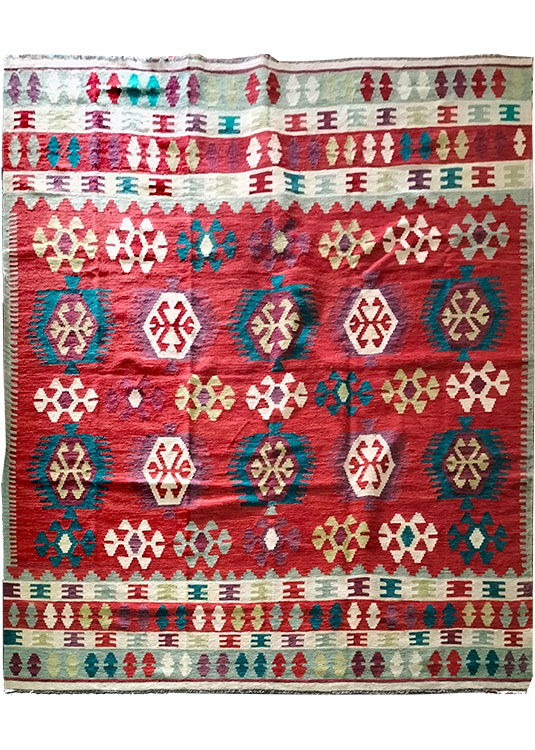
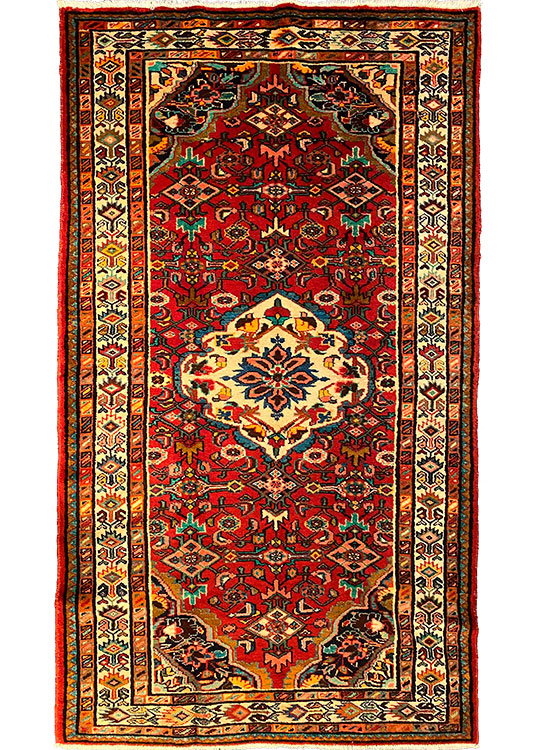
O autêntico tapete turcomano Bokhara (Referência: 152597) é uma peça de absoluta elegância e simetria na tapeçaria oriental de luxo, disponível em exclusivo na Tricana.
Conhecidos mundialmente pelos seus icónicos padrões geométricos e pela sumptuosidade da sua lã densa com toque acetinado, os tapetes orientais feitos à mão desta tradição nómada adaptam-se com facilidade tanto a ambientes clássicos como contemporâneos. O modelo Bokhara-152597 destaca-se pela sua harmonia visual e durabilidade excecional, tornando-se a escolha ideal para acrescentar conforto, calor e prestígio a salas de estar, escritórios executivos ou bibliotecas de alta gama.
A arte ancestral aos seus pés …
O autêntico tapete turcomano Bokhara (Referência: 152597) é uma peça de absoluta elegância e simetria na tapeçaria oriental de luxo, disponível em exclusivo na Tricana.
Conhecidos mundialmente pelos seus icónicos padrões geométricos e pela sumptuosidade da sua lã densa com toque acetinado, os tapetes orientais feitos à mão desta tradição nómada adaptam-se com facilidade tanto a ambientes clássicos como contemporâneos. O modelo Bokhara-152597 destaca-se pela sua harmonia visual e durabilidade excecional, tornando-se a escolha ideal para acrescentar conforto, calor e prestígio a salas de estar, escritórios executivos ou bibliotecas de alta gama.
A arte ancestral aos seus pés …
O autêntico tapete turcomano Bokhara (Referência: 152597) é uma peça de absoluta elegância e simetria na tapeçaria oriental de luxo, disponível em exclusivo na Tricana.
Conhecidos mundialmente pelos seus icónicos padrões geométricos e pela sumptuosidade da sua lã densa com toque acetinado, os tapetes orientais feitos à mão desta tradição nómada adaptam-se com facilidade tanto a ambientes clássicos como contemporâneos. O modelo Bokhara-152597 destaca-se pela sua harmonia visual e durabilidade excecional, tornando-se a escolha ideal para acrescentar conforto, calor e prestígio a salas de estar, escritórios executivos ou bibliotecas de alta gama.
The rich text element allows you to create and format headings, paragraphs, blockquotes, images, and video all in one place instead of having to add and format them individually. Just double-click and easily create content.
The rich text element allows you to create and format headings, paragraphs, blockquotes, images, and video all in one place instead of having to add and format them individually. Just double-click and easily create content.A rich text element can be used with static or dynamic content. For static content, just drop it into any page and begin editing. For dynamic content, add a rich text field to any collection and then connect a rich text element to that field in the settings panel. Voila!
A rich text element can be used with static or dynamic content. For static content, just drop it into any page and begin editing. For dynamic content, add a rich text field to any collection and then connect a rich text element to that field in the settings panel. Voila!Headings, paragraphs, blockquotes, figures, images, and figure captions can all be styled after a class is added to the rich text element using the "When inside of" nested selector system.
Headings, paragraphs, blockquotes, figures, images, and figure captions can all be styled after a class is added to the rich text element using the "When inside of" nested selector system.The rich text element allows you to create and format headings, paragraphs, blockquotes, images, and video all in one place instead of having to add and format them individually. Just double-click and easily create content.
The rich text element allows you to create and format headings, paragraphs, blockquotes, images, and video all in one place instead of having to add and format them individually. Just double-click and easily create content.A rich text element can be used with static or dynamic content. For static content, just drop it into any page and begin editing. For dynamic content, add a rich text field to any collection and then connect a rich text element to that field in the settings panel. Voila!
A rich text element can be used with static or dynamic content. For static content, just drop it into any page and begin editing. For dynamic content, add a rich text field to any collection and then connect a rich text element to that field in the settings panel. Voila!Headings, paragraphs, blockquotes, figures, images, and figure captions can all be styled after a class is added to the rich text element using the "When inside of" nested selector system.
Headings, paragraphs, blockquotes, figures, images, and figure captions can all be styled after a class is added to the rich text element using the "When inside of" nested selector system.

The ancestral art at your feet ...
The authentic Turkmen Bokhara rug (Reference: 152597) is a piece of absolute elegance and symmetry in luxury oriental tapestry, available exclusively at Tricana.
Known worldwide for their iconic geometric patterns and the sumptuousness of their dense wool with a satin touch, the handmade oriental rugs of this nomadic tradition adapt easily to both classic and contemporary environments. The Bokhara-152597 model stands out for its visual harmony and exceptional durability, making it the ideal choice to add comfort, warmth and prestige to living rooms, executive offices or high-end libraries.
The ancestral art at your feet ...
The authentic Turkmen Bokhara rug (Reference: 152597) is a piece of absolute elegance and symmetry in luxury oriental tapestry, available exclusively at Tricana.
Known worldwide for their iconic geometric patterns and the sumptuousness of their dense wool with a satin touch, the handmade oriental rugs of this nomadic tradition adapt easily to both classic and contemporary environments. The Bokhara-152597 model stands out for its visual harmony and exceptional durability, making it the ideal choice to add comfort, warmth and prestige to living rooms, executive offices or high-end libraries.
The ancestral art at your feet ...
The authentic Turkmen Bokhara rug (Reference: 152597) is a piece of absolute elegance and symmetry in luxury oriental tapestry, available exclusively at Tricana.
Known worldwide for their iconic geometric patterns and the sumptuousness of their dense wool with a satin touch, the handmade oriental rugs of this nomadic tradition adapt easily to both classic and contemporary environments. The Bokhara-152597 model stands out for its visual harmony and exceptional durability, making it the ideal choice to add comfort, warmth and prestige to living rooms, executive offices or high-end libraries.
The rich text element allows you to create and format headings, paragraphs, blockquotes, images, and video all in one place instead of having to add and format them individually. Just double-click and easily create content.
The rich text element allows you to create and format headings, paragraphs, blockquotes, images, and video all in one place instead of having to add and format them individually. Just double-click and easily create content.A rich text element can be used with static or dynamic content. For static content, just drop it into any page and begin editing. For dynamic content, add a rich text field to any collection and then connect a rich text element to that field in the settings panel. Voila!
A rich text element can be used with static or dynamic content. For static content, just drop it into any page and begin editing. For dynamic content, add a rich text field to any collection and then connect a rich text element to that field in the settings panel. Voila!Headings, paragraphs, blockquotes, figures, images, and figure captions can all be styled after a class is added to the rich text element using the "When inside of" nested selector system.
Headings, paragraphs, blockquotes, figures, images, and figure captions can all be styled after a class is added to the rich text element using the "When inside of" nested selector system.The rich text element allows you to create and format headings, paragraphs, blockquotes, images, and video all in one place instead of having to add and format them individually. Just double-click and easily create content.
The rich text element allows you to create and format headings, paragraphs, blockquotes, images, and video all in one place instead of having to add and format them individually. Just double-click and easily create content.A rich text element can be used with static or dynamic content. For static content, just drop it into any page and begin editing. For dynamic content, add a rich text field to any collection and then connect a rich text element to that field in the settings panel. Voila!
A rich text element can be used with static or dynamic content. For static content, just drop it into any page and begin editing. For dynamic content, add a rich text field to any collection and then connect a rich text element to that field in the settings panel. Voila!Headings, paragraphs, blockquotes, figures, images, and figure captions can all be styled after a class is added to the rich text element using the "When inside of" nested selector system.
Headings, paragraphs, blockquotes, figures, images, and figure captions can all be styled after a class is added to the rich text element using the "When inside of" nested selector system..png)
.png)





.png)