.png)

A arte ancestral aos seus pés …
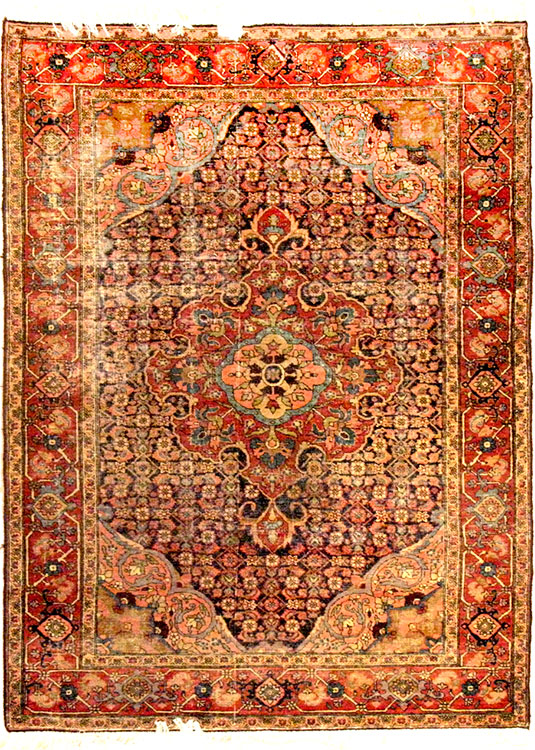
O autêntico tapete persa Ghashghai Zinat (Referência: 130006) é um adorno magnífico da tapeçaria oriental de luxo, disponível em exclusivo na Tricana.
Este tapete oriental feito à mão, profundamente ligado às tradições nómadas, impressiona pela complexidade dos seus padrões geométricos e pelo simbolismo característico da linha Zinat. Ideal para quem procura exclusividade e uma peça com alma, o modelo Ghashghai Zinat-130006 acrescenta uma elegância rústica, conforto e calor a qualquer sala de estar ou espaço de prestígio.
A arte ancestral aos seus pés …
O autêntico tapete persa Ghashghai Zinat (Referência: 130006) é um adorno magnífico da tapeçaria oriental de luxo, disponível em exclusivo na Tricana.
Este tapete oriental feito à mão, profundamente ligado às tradições nómadas, impressiona pela complexidade dos seus padrões geométricos e pelo simbolismo característico da linha Zinat. Ideal para quem procura exclusividade e uma peça com alma, o modelo Ghashghai Zinat-130006 acrescenta uma elegância rústica, conforto e calor a qualquer sala de estar ou espaço de prestígio.
A arte ancestral aos seus pés …
O autêntico tapete persa Ghashghai Zinat (Referência: 130006) é um adorno magnífico da tapeçaria oriental de luxo, disponível em exclusivo na Tricana.
Este tapete oriental feito à mão, profundamente ligado às tradições nómadas, impressiona pela complexidade dos seus padrões geométricos e pelo simbolismo característico da linha Zinat. Ideal para quem procura exclusividade e uma peça com alma, o modelo Ghashghai Zinat-130006 acrescenta uma elegância rústica, conforto e calor a qualquer sala de estar ou espaço de prestígio.
The rich text element allows you to create and format headings, paragraphs, blockquotes, images, and video all in one place instead of having to add and format them individually. Just double-click and easily create content.
The rich text element allows you to create and format headings, paragraphs, blockquotes, images, and video all in one place instead of having to add and format them individually. Just double-click and easily create content.A rich text element can be used with static or dynamic content. For static content, just drop it into any page and begin editing. For dynamic content, add a rich text field to any collection and then connect a rich text element to that field in the settings panel. Voila!
A rich text element can be used with static or dynamic content. For static content, just drop it into any page and begin editing. For dynamic content, add a rich text field to any collection and then connect a rich text element to that field in the settings panel. Voila!Headings, paragraphs, blockquotes, figures, images, and figure captions can all be styled after a class is added to the rich text element using the "When inside of" nested selector system.
Headings, paragraphs, blockquotes, figures, images, and figure captions can all be styled after a class is added to the rich text element using the "When inside of" nested selector system.The rich text element allows you to create and format headings, paragraphs, blockquotes, images, and video all in one place instead of having to add and format them individually. Just double-click and easily create content.
The rich text element allows you to create and format headings, paragraphs, blockquotes, images, and video all in one place instead of having to add and format them individually. Just double-click and easily create content.A rich text element can be used with static or dynamic content. For static content, just drop it into any page and begin editing. For dynamic content, add a rich text field to any collection and then connect a rich text element to that field in the settings panel. Voila!
A rich text element can be used with static or dynamic content. For static content, just drop it into any page and begin editing. For dynamic content, add a rich text field to any collection and then connect a rich text element to that field in the settings panel. Voila!Headings, paragraphs, blockquotes, figures, images, and figure captions can all be styled after a class is added to the rich text element using the "When inside of" nested selector system.
Headings, paragraphs, blockquotes, figures, images, and figure captions can all be styled after a class is added to the rich text element using the "When inside of" nested selector system.

The ancestral art at your feet ...
The authentic Ghashghai Zinat Persian rug (Reference: 130006) is a magnificent adornment of luxury oriental tapestry, available exclusively at Tricana.
This handmade oriental rug, deeply connected to nomadic traditions, impresses with the complexity of its geometric patterns and the characteristic symbolism of the Zinat line. Ideal for those seeking exclusivity and a piece with soul, the Ghashghai Zinat-130006 model adds rustic elegance, comfort, and warmth to any living room or prestigious space.
The ancestral art at your feet ...
The authentic Ghashghai Zinat Persian rug (Reference: 130006) is a magnificent adornment of luxury oriental tapestry, available exclusively at Tricana.
This handmade oriental rug, deeply connected to nomadic traditions, impresses with the complexity of its geometric patterns and the characteristic symbolism of the Zinat line. Ideal for those seeking exclusivity and a piece with soul, the Ghashghai Zinat-130006 model adds rustic elegance, comfort, and warmth to any living room or prestigious space.
The ancestral art at your feet ...
The authentic Ghashghai Zinat Persian rug (Reference: 130006) is a magnificent adornment of luxury oriental tapestry, available exclusively at Tricana.
This handmade oriental rug, deeply connected to nomadic traditions, impresses with the complexity of its geometric patterns and the characteristic symbolism of the Zinat line. Ideal for those seeking exclusivity and a piece with soul, the Ghashghai Zinat-130006 model adds rustic elegance, comfort, and warmth to any living room or prestigious space.
The rich text element allows you to create and format headings, paragraphs, blockquotes, images, and video all in one place instead of having to add and format them individually. Just double-click and easily create content.
The rich text element allows you to create and format headings, paragraphs, blockquotes, images, and video all in one place instead of having to add and format them individually. Just double-click and easily create content.A rich text element can be used with static or dynamic content. For static content, just drop it into any page and begin editing. For dynamic content, add a rich text field to any collection and then connect a rich text element to that field in the settings panel. Voila!
A rich text element can be used with static or dynamic content. For static content, just drop it into any page and begin editing. For dynamic content, add a rich text field to any collection and then connect a rich text element to that field in the settings panel. Voila!Headings, paragraphs, blockquotes, figures, images, and figure captions can all be styled after a class is added to the rich text element using the "When inside of" nested selector system.
Headings, paragraphs, blockquotes, figures, images, and figure captions can all be styled after a class is added to the rich text element using the "When inside of" nested selector system.The rich text element allows you to create and format headings, paragraphs, blockquotes, images, and video all in one place instead of having to add and format them individually. Just double-click and easily create content.
The rich text element allows you to create and format headings, paragraphs, blockquotes, images, and video all in one place instead of having to add and format them individually. Just double-click and easily create content.A rich text element can be used with static or dynamic content. For static content, just drop it into any page and begin editing. For dynamic content, add a rich text field to any collection and then connect a rich text element to that field in the settings panel. Voila!
A rich text element can be used with static or dynamic content. For static content, just drop it into any page and begin editing. For dynamic content, add a rich text field to any collection and then connect a rich text element to that field in the settings panel. Voila!Headings, paragraphs, blockquotes, figures, images, and figure captions can all be styled after a class is added to the rich text element using the "When inside of" nested selector system.
Headings, paragraphs, blockquotes, figures, images, and figure captions can all be styled after a class is added to the rich text element using the "When inside of" nested selector system..png)
.png)




.png)