.png)

A arte ancestral aos seus pés …
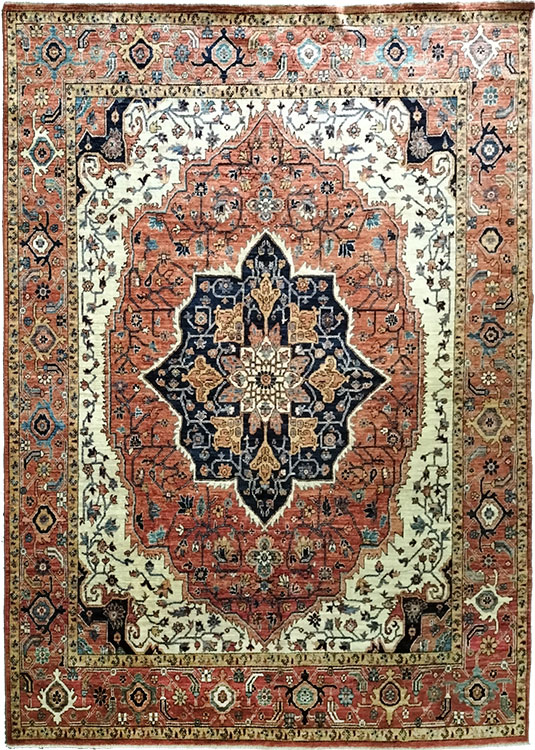
O autêntico tapete persa Sarooq (Referência: 177230) é uma peça de extraordinário requinte e robustez na tapeçaria oriental de luxo, disponível em exclusivo na Tricana.
Conhecidos mundialmente pela densidade excecional da sua lã e pela longevidade da sua estrutura, os tapetes orientais feitos à mão da região de Sarooq são verdadeiros clássicos da decoração palaciana. O modelo Sarooq-177230 exibe arabescos florais harmoniosos e uma paleta cromática profunda, tornando-se o investimento ideal para conferir máximo prestígio, conforto térmico e sofisticação a salas de estar nobres ou salões de jantar majestosos.
A arte ancestral aos seus pés …
O autêntico tapete persa Sarooq (Referência: 177230) é uma peça de extraordinário requinte e robustez na tapeçaria oriental de luxo, disponível em exclusivo na Tricana.
Conhecidos mundialmente pela densidade excecional da sua lã e pela longevidade da sua estrutura, os tapetes orientais feitos à mão da região de Sarooq são verdadeiros clássicos da decoração palaciana. O modelo Sarooq-177230 exibe arabescos florais harmoniosos e uma paleta cromática profunda, tornando-se o investimento ideal para conferir máximo prestígio, conforto térmico e sofisticação a salas de estar nobres ou salões de jantar majestosos.
A arte ancestral aos seus pés …
O autêntico tapete persa Sarooq (Referência: 177230) é uma peça de extraordinário requinte e robustez na tapeçaria oriental de luxo, disponível em exclusivo na Tricana.
Conhecidos mundialmente pela densidade excecional da sua lã e pela longevidade da sua estrutura, os tapetes orientais feitos à mão da região de Sarooq são verdadeiros clássicos da decoração palaciana. O modelo Sarooq-177230 exibe arabescos florais harmoniosos e uma paleta cromática profunda, tornando-se o investimento ideal para conferir máximo prestígio, conforto térmico e sofisticação a salas de estar nobres ou salões de jantar majestosos.
The rich text element allows you to create and format headings, paragraphs, blockquotes, images, and video all in one place instead of having to add and format them individually. Just double-click and easily create content.
The rich text element allows you to create and format headings, paragraphs, blockquotes, images, and video all in one place instead of having to add and format them individually. Just double-click and easily create content.A rich text element can be used with static or dynamic content. For static content, just drop it into any page and begin editing. For dynamic content, add a rich text field to any collection and then connect a rich text element to that field in the settings panel. Voila!
A rich text element can be used with static or dynamic content. For static content, just drop it into any page and begin editing. For dynamic content, add a rich text field to any collection and then connect a rich text element to that field in the settings panel. Voila!Headings, paragraphs, blockquotes, figures, images, and figure captions can all be styled after a class is added to the rich text element using the "When inside of" nested selector system.
Headings, paragraphs, blockquotes, figures, images, and figure captions can all be styled after a class is added to the rich text element using the "When inside of" nested selector system.The rich text element allows you to create and format headings, paragraphs, blockquotes, images, and video all in one place instead of having to add and format them individually. Just double-click and easily create content.
The rich text element allows you to create and format headings, paragraphs, blockquotes, images, and video all in one place instead of having to add and format them individually. Just double-click and easily create content.A rich text element can be used with static or dynamic content. For static content, just drop it into any page and begin editing. For dynamic content, add a rich text field to any collection and then connect a rich text element to that field in the settings panel. Voila!
A rich text element can be used with static or dynamic content. For static content, just drop it into any page and begin editing. For dynamic content, add a rich text field to any collection and then connect a rich text element to that field in the settings panel. Voila!Headings, paragraphs, blockquotes, figures, images, and figure captions can all be styled after a class is added to the rich text element using the "When inside of" nested selector system.
Headings, paragraphs, blockquotes, figures, images, and figure captions can all be styled after a class is added to the rich text element using the "When inside of" nested selector system.

The ancestral art at your feet ...
The authentic Sarooq Persian rug (Reference: 177230) is a piece of extraordinary refinement and robustness in luxury oriental tapestry, available exclusively at Tricana.
Known worldwide for the exceptional density of their wool and the longevity of their structure, handmade oriental rugs from the Sarooq region are true classics of palatial decoration. The Sarooq-177230 model displays harmonious floral arabesques and a deep color palette, making it the ideal investment to give maximum prestige, thermal comfort and sophistication to noble living rooms or majestic dining halls.
The ancestral art at your feet ...
The authentic Sarooq Persian rug (Reference: 177230) is a piece of extraordinary refinement and robustness in luxury oriental tapestry, available exclusively at Tricana.
Known worldwide for the exceptional density of their wool and the longevity of their structure, handmade oriental rugs from the Sarooq region are true classics of palatial decoration. The Sarooq-177230 model displays harmonious floral arabesques and a deep color palette, making it the ideal investment to give maximum prestige, thermal comfort and sophistication to noble living rooms or majestic dining halls.
The ancestral art at your feet ...
The authentic Sarooq Persian rug (Reference: 177230) is a piece of extraordinary refinement and robustness in luxury oriental tapestry, available exclusively at Tricana.
Known worldwide for the exceptional density of their wool and the longevity of their structure, handmade oriental rugs from the Sarooq region are true classics of palatial decoration. The Sarooq-177230 model displays harmonious floral arabesques and a deep color palette, making it the ideal investment to give maximum prestige, thermal comfort and sophistication to noble living rooms or majestic dining halls.
The rich text element allows you to create and format headings, paragraphs, blockquotes, images, and video all in one place instead of having to add and format them individually. Just double-click and easily create content.
The rich text element allows you to create and format headings, paragraphs, blockquotes, images, and video all in one place instead of having to add and format them individually. Just double-click and easily create content.A rich text element can be used with static or dynamic content. For static content, just drop it into any page and begin editing. For dynamic content, add a rich text field to any collection and then connect a rich text element to that field in the settings panel. Voila!
A rich text element can be used with static or dynamic content. For static content, just drop it into any page and begin editing. For dynamic content, add a rich text field to any collection and then connect a rich text element to that field in the settings panel. Voila!Headings, paragraphs, blockquotes, figures, images, and figure captions can all be styled after a class is added to the rich text element using the "When inside of" nested selector system.
Headings, paragraphs, blockquotes, figures, images, and figure captions can all be styled after a class is added to the rich text element using the "When inside of" nested selector system.The rich text element allows you to create and format headings, paragraphs, blockquotes, images, and video all in one place instead of having to add and format them individually. Just double-click and easily create content.
The rich text element allows you to create and format headings, paragraphs, blockquotes, images, and video all in one place instead of having to add and format them individually. Just double-click and easily create content.A rich text element can be used with static or dynamic content. For static content, just drop it into any page and begin editing. For dynamic content, add a rich text field to any collection and then connect a rich text element to that field in the settings panel. Voila!
A rich text element can be used with static or dynamic content. For static content, just drop it into any page and begin editing. For dynamic content, add a rich text field to any collection and then connect a rich text element to that field in the settings panel. Voila!Headings, paragraphs, blockquotes, figures, images, and figure captions can all be styled after a class is added to the rich text element using the "When inside of" nested selector system.
Headings, paragraphs, blockquotes, figures, images, and figure captions can all be styled after a class is added to the rich text element using the "When inside of" nested selector system..png)
.png)


.png)