.png)

A arte ancestral aos seus pés …
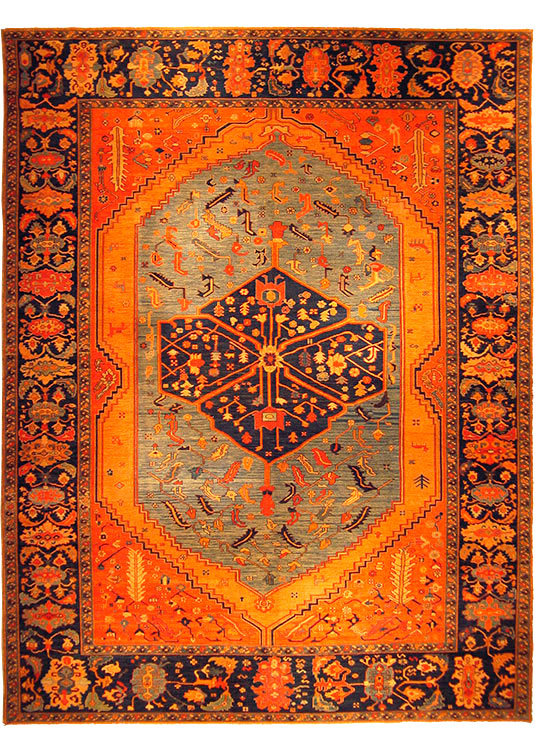
O autêntico tapete persa Arabbaf Nahid (Referência: 138837) é uma obra-prima de valor histórico incalculável na tapeçaria oriental de luxo, disponível em exclusivo na Tricana.
Distinguindo-se pela lendária robustez técnica da tecelagem Arabbaf, este tapete oriental feito à mão apresenta o requintado padrão Nahid, célebre pelas suas composições florais detalhadas e curvas simétricas inspiradas na escola clássica de Isfahan. O modelo Arabbaf Nahid-138837 é a escolha definitiva para arquitetos e amantes de decoração que procuram uma joia de prestígio e alta distinção para salas de estar ou salões nobres.
A arte ancestral aos seus pés …
O autêntico tapete persa Arabbaf Nahid (Referência: 138837) é uma obra-prima de valor histórico incalculável na tapeçaria oriental de luxo, disponível em exclusivo na Tricana.
Distinguindo-se pela lendária robustez técnica da tecelagem Arabbaf, este tapete oriental feito à mão apresenta o requintado padrão Nahid, célebre pelas suas composições florais detalhadas e curvas simétricas inspiradas na escola clássica de Isfahan. O modelo Arabbaf Nahid-138837 é a escolha definitiva para arquitetos e amantes de decoração que procuram uma joia de prestígio e alta distinção para salas de estar ou salões nobres.
A arte ancestral aos seus pés …
O autêntico tapete persa Arabbaf Nahid (Referência: 138837) é uma obra-prima de valor histórico incalculável na tapeçaria oriental de luxo, disponível em exclusivo na Tricana.
Distinguindo-se pela lendária robustez técnica da tecelagem Arabbaf, este tapete oriental feito à mão apresenta o requintado padrão Nahid, célebre pelas suas composições florais detalhadas e curvas simétricas inspiradas na escola clássica de Isfahan. O modelo Arabbaf Nahid-138837 é a escolha definitiva para arquitetos e amantes de decoração que procuram uma joia de prestígio e alta distinção para salas de estar ou salões nobres.
The rich text element allows you to create and format headings, paragraphs, blockquotes, images, and video all in one place instead of having to add and format them individually. Just double-click and easily create content.
The rich text element allows you to create and format headings, paragraphs, blockquotes, images, and video all in one place instead of having to add and format them individually. Just double-click and easily create content.A rich text element can be used with static or dynamic content. For static content, just drop it into any page and begin editing. For dynamic content, add a rich text field to any collection and then connect a rich text element to that field in the settings panel. Voila!
A rich text element can be used with static or dynamic content. For static content, just drop it into any page and begin editing. For dynamic content, add a rich text field to any collection and then connect a rich text element to that field in the settings panel. Voila!Headings, paragraphs, blockquotes, figures, images, and figure captions can all be styled after a class is added to the rich text element using the "When inside of" nested selector system.
Headings, paragraphs, blockquotes, figures, images, and figure captions can all be styled after a class is added to the rich text element using the "When inside of" nested selector system.The rich text element allows you to create and format headings, paragraphs, blockquotes, images, and video all in one place instead of having to add and format them individually. Just double-click and easily create content.
The rich text element allows you to create and format headings, paragraphs, blockquotes, images, and video all in one place instead of having to add and format them individually. Just double-click and easily create content.A rich text element can be used with static or dynamic content. For static content, just drop it into any page and begin editing. For dynamic content, add a rich text field to any collection and then connect a rich text element to that field in the settings panel. Voila!
A rich text element can be used with static or dynamic content. For static content, just drop it into any page and begin editing. For dynamic content, add a rich text field to any collection and then connect a rich text element to that field in the settings panel. Voila!Headings, paragraphs, blockquotes, figures, images, and figure captions can all be styled after a class is added to the rich text element using the "When inside of" nested selector system.
Headings, paragraphs, blockquotes, figures, images, and figure captions can all be styled after a class is added to the rich text element using the "When inside of" nested selector system.

The ancestral art at your feet ...
The authentic Arabbaf Nahid Persian rug (Reference: 138837) is a masterpiece of incalculable historical value in luxury oriental tapestry, available exclusively at Tricana.
Distinguished by the legendary technical robustness of Arabbaf weaving, this handmade oriental rug features the exquisite Nahid pattern, renowned for its detailed floral compositions and symmetrical curves inspired by the classical Isfahan school. The Arabbaf Nahid-138837 model is the ultimate choice for architects and interior design enthusiasts seeking a prestigious and highly distinguished jewel for living rooms or elegant salons.
The ancestral art at your feet ...
The authentic Arabbaf Nahid Persian rug (Reference: 138837) is a masterpiece of incalculable historical value in luxury oriental tapestry, available exclusively at Tricana.
Distinguished by the legendary technical robustness of Arabbaf weaving, this handmade oriental rug features the exquisite Nahid pattern, renowned for its detailed floral compositions and symmetrical curves inspired by the classical Isfahan school. The Arabbaf Nahid-138837 model is the ultimate choice for architects and interior design enthusiasts seeking a prestigious and highly distinguished jewel for living rooms or elegant salons.
The ancestral art at your feet ...
The authentic Arabbaf Nahid Persian rug (Reference: 138837) is a masterpiece of incalculable historical value in luxury oriental tapestry, available exclusively at Tricana.
Distinguished by the legendary technical robustness of Arabbaf weaving, this handmade oriental rug features the exquisite Nahid pattern, renowned for its detailed floral compositions and symmetrical curves inspired by the classical Isfahan school. The Arabbaf Nahid-138837 model is the ultimate choice for architects and interior design enthusiasts seeking a prestigious and highly distinguished jewel for living rooms or elegant salons.
The rich text element allows you to create and format headings, paragraphs, blockquotes, images, and video all in one place instead of having to add and format them individually. Just double-click and easily create content.
The rich text element allows you to create and format headings, paragraphs, blockquotes, images, and video all in one place instead of having to add and format them individually. Just double-click and easily create content.A rich text element can be used with static or dynamic content. For static content, just drop it into any page and begin editing. For dynamic content, add a rich text field to any collection and then connect a rich text element to that field in the settings panel. Voila!
A rich text element can be used with static or dynamic content. For static content, just drop it into any page and begin editing. For dynamic content, add a rich text field to any collection and then connect a rich text element to that field in the settings panel. Voila!Headings, paragraphs, blockquotes, figures, images, and figure captions can all be styled after a class is added to the rich text element using the "When inside of" nested selector system.
Headings, paragraphs, blockquotes, figures, images, and figure captions can all be styled after a class is added to the rich text element using the "When inside of" nested selector system.The rich text element allows you to create and format headings, paragraphs, blockquotes, images, and video all in one place instead of having to add and format them individually. Just double-click and easily create content.
The rich text element allows you to create and format headings, paragraphs, blockquotes, images, and video all in one place instead of having to add and format them individually. Just double-click and easily create content.A rich text element can be used with static or dynamic content. For static content, just drop it into any page and begin editing. For dynamic content, add a rich text field to any collection and then connect a rich text element to that field in the settings panel. Voila!
A rich text element can be used with static or dynamic content. For static content, just drop it into any page and begin editing. For dynamic content, add a rich text field to any collection and then connect a rich text element to that field in the settings panel. Voila!Headings, paragraphs, blockquotes, figures, images, and figure captions can all be styled after a class is added to the rich text element using the "When inside of" nested selector system.
Headings, paragraphs, blockquotes, figures, images, and figure captions can all be styled after a class is added to the rich text element using the "When inside of" nested selector system..png)
.png)




.png)